





















How to Cut Down Your Admissions Essay for Word Count
/You should know by now that one of my secrets for getting the best draft is ignoring word count—at first. Any professional writer knows you end up cutting at least half your draft by the time of publication, so you should take the same approach for your first drafts. So you took my advice and poured your heart and soul into your essay, but now, you’re stuck with a 1500-word draft that needs to be cut down to just 650 measly words (the current maximum for the Common App essay). Not to worry! Take a deep breath, get some space from the draft, then read my techniques for cutting the essay into shape.
First, print out your essay and write in the margin next to every paragraph what each paragraph is about in 2-3 words (“tension with heritage,” for example). If you’re having trouble summarizing what each paragraph is about, go back and rewrite it. Once you’re done with this exercise, you’ll be able to see which paragraphs are superfluous and which are worth keeping.
Second, read your draft out loud, once you’re done making the cuts from the first step. This will enable you to hear any awkward phrasing or repetition, so you can do more comprehensive line-by-line, word-for-word cuts.
Third, once you’re done with steps one and two, and you are still over word count, go back and cut almost every adverb. Most of the time, you’re probably more flowery in your language than you need to be. Another good trick is to get rid of any filler “I” statements like “I believe” or “I think.” Other good extraneous words to look out for are “that” and “of.”
Fourth, if you’re still over word count by this point, consult a counselor, teacher, friend, or professional editor you trust to read your essay and offer their suggestions of what’s not needed.
Over the years, I’ve read and edited hundreds of college application essays. I’ve seen the good and bad (and very bad). Discover how to avoid the Common App essay's most common mistakes.
1) Using Bloated Thesaurus Speak
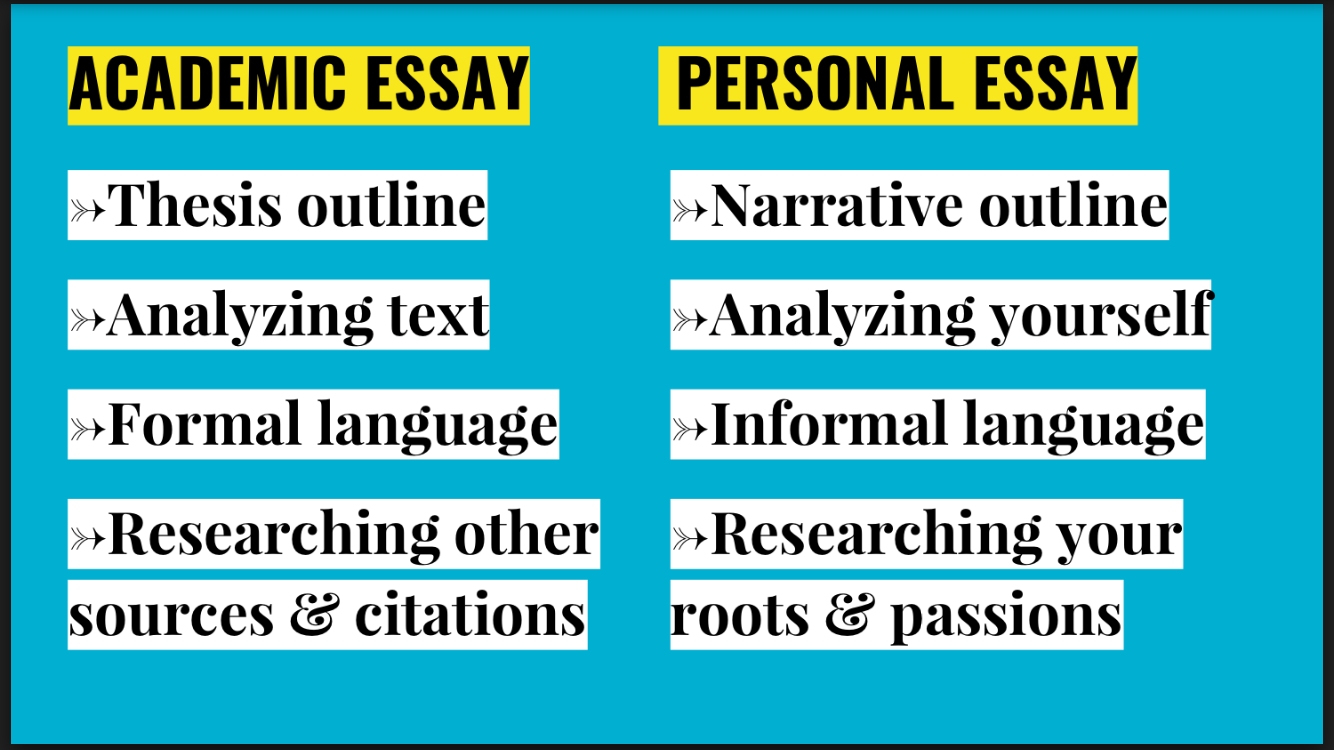
Most students think a higher vocabulary (read: thesaurus) will make their essay sound better. That instinct may work for your more formal academic essays, but it’s wrong in the case of the personal statement: the essay should sound how you speak, not a formal academic letter. "Thenceforward" and “heretofore,” for example, seem way too formal and almost sound funny in this personal context. Would you ever use those words in real life? Didn’t think so.