


























Exclusive: 4 Surprising “LOCI” Waitlist Letter Tips From Current and Former Admissions Officers
/Last year’s waitlist season was rocked by federal politics, resulting in low international enrollment and drastic budget cuts. According to the Times of India, Harvard University, Stanford University, Rice University, and Duke University all admitted multiple students off their waitlists just weeks before classes began—much later than the usual July cutoff.
Case in point: Duke enrolled 50 additional first-year students last summer less than two weeks before move-in on August 16, 2025—the first time their waitlist closed and reopened.
Rice University took it a step further and offered applicants admitted in August 2025 a $2,500 grant to offset the expenses of switching after committing to other colleges, added Morning Brew.
So what does this last-minute waitlist chaos mean for hundreds of hopeful students this spring of 2026? In short: Anything goes.
Translation: Start polishing off those Google Docs because it’s time to write the best waitlist letter of your life. After breaking down my proven writing tips, I’ve gone even deeper into the mysterious world of waitlist decisions by compiling exclusive waitlist letter advice from former and current admissions officers.
1) Your major matters
When the college admissions team is looking to fill a freshman class, they are always conscious of building a diverse student body with varied academic interests. No university can support a first-year cohort of just environmental science majors, for example. Colleges are paying professors in every department and need to staff their student body accordingly. (Being strategic about majors also applies when declaring a potential major in your initial application). In fact, your major plays an even bigger role when the admissions team evaluates who enrolls and what gaps need to be filled in their freshman class. Enter the waitlist group.
An admissions officer from a top-20 national research university shared this insight with a former waitlist letter student:
“Once we have heard from all of [the admitted students], we will see where the holes are in the first-year class and make offers. The first round of offers will be at the beginning of May, and we hope to have it all wrapped up by July 4th. Our waitlist is not ranked, because we don’t know who will say yes of the admitted students, and if we need more engineers or teachers, for example, we’ll focus on that during the waitlist process.”
2) So does your financial aid situation
Officially, most colleges will claim to be need-blind, even in their waitlist admissions process. However, the internal story says otherwise.
A former admissions officer at a top-40 business school told me:
“My honest take on this is the only thing that matters on waitlist movement is if a student is full-pay. It’s the sad truth, but the aid is all given out by waitlist time, and they are looking at who can pay. Now this might have evolved, especially since kids are applying to SO many more schools now, but waitlist movement is a financial play for most schools.”
This advice about needing financial aid is something I’ve heard over and over unofficially from multiple sources in the admissions industry, both during regular application season and beyond.
This merit-aware policy was confirmed recently at Brown University, according to the Daily Herald: “None of the respondents who enrolled from the waitlist [in fall 2025] indicated they received full financial aid.”
And echoed by a professor studying the admissions industry:
“Coming in under a target class size means that, over the course of four years, a college could be looking at losing millions of dollars,” Eric Canny, a professor of education at the University of Southern California, told The Chronicle of Higher Education.
That said, I know plenty of students who have been admitted off the waitlist with a full ride (including ones who have worked with me on their waitlist letter). Here’s one example from Duke’s last-minute waitlist rollout, as reported by the Chronicle.
Duke was Lopez’s “dream school,” and a generous financial aid package helped motivate him to accept his offer.
3) Time is of the essence
Most LOCIs are due April 15th. And yet, an admissions officer from the University of Chicago recently told my student that waitlist offers are decided on a rolling basis and urged her to submit her waitlist letter “as soon as possible.”
Before you begin speed writing, however, remember that you still want to take your time developing your waitlist letter, as this is your last chance to make a winning second impression. My student and I still spent a few weeks perfecting her letter, for example, and it worked!
Rushing through the draft can also lead to an inappropriate negative tone and careless typos. This Notre Dame admissions counselor agrees:
“In my experience, the students who give themselves some time between being waitlisted and writing are usually able to better explain why they want to attend Notre Dame more than any other college.”
4) Don’t forget the most important part (hint: demonstrated interest)
The number one thing admissions officers are looking for in the waitlist letter is “demonstrated interest,” or hearing that you will automatically and absolutely enroll if admitted. Remember that the admissions team is filling spots from admitted students who rejected the school, so this is the university’s chance to bet on a sure thing and guarantee that they are matriculating a full freshman class. The top-20 admissions officer also wrote this to my successfully admitted waitlist student:
“Additionally, if you want to indicate your level of interest in [our university] – that it’s your first choice, that you’ll come if offered a spot, etc. then you may do that as well. We appreciate knowing that in our process.”







Over the years, I’ve read and edited hundreds of college application essays. I’ve seen the good and bad (and very bad). Discover how to avoid the Common App essay's most common mistakes.
1) Using Bloated Thesaurus Speak
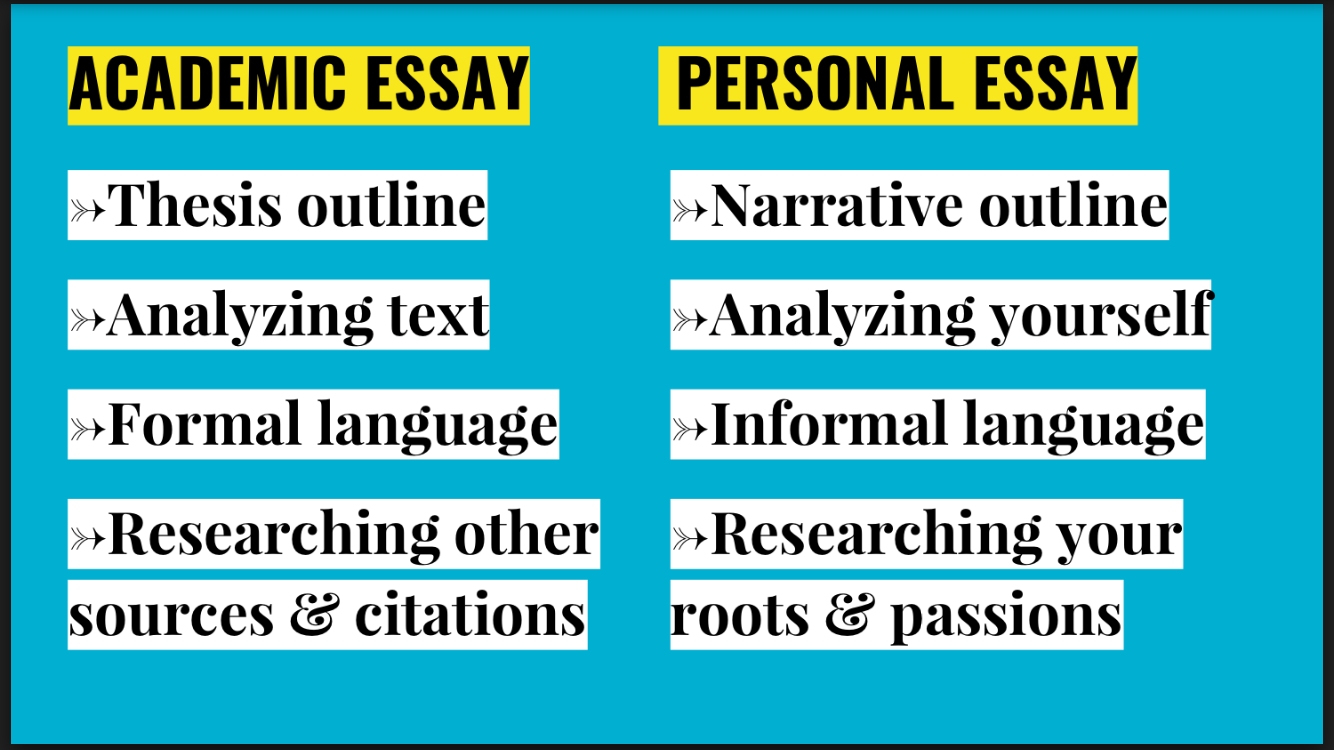
Most students think a higher vocabulary (read: thesaurus) will make their essay sound better. That instinct may work for your more formal academic essays, but it’s wrong in the case of the personal statement: the essay should sound how you speak, not a formal academic letter. "Thenceforward" and “heretofore,” for example, seem way too formal and almost sound funny in this personal context. Would you ever use those words in real life? Didn’t think so.