



























Admission News You Might Have Missed
/Deep breaths...Getting admitted to a top public college is becoming tougher, as applicant pools grow and average acceptance rates fall. BUT that's largely because more students are applying to more schools, thanks to the ease of the Common App. [US News]
How to impress college admissions officers, the short list: pick challenging courses, highlight unique extracurricular experiences, and show interest in each school you're applying to (visiting, emailing, etc). [US News]
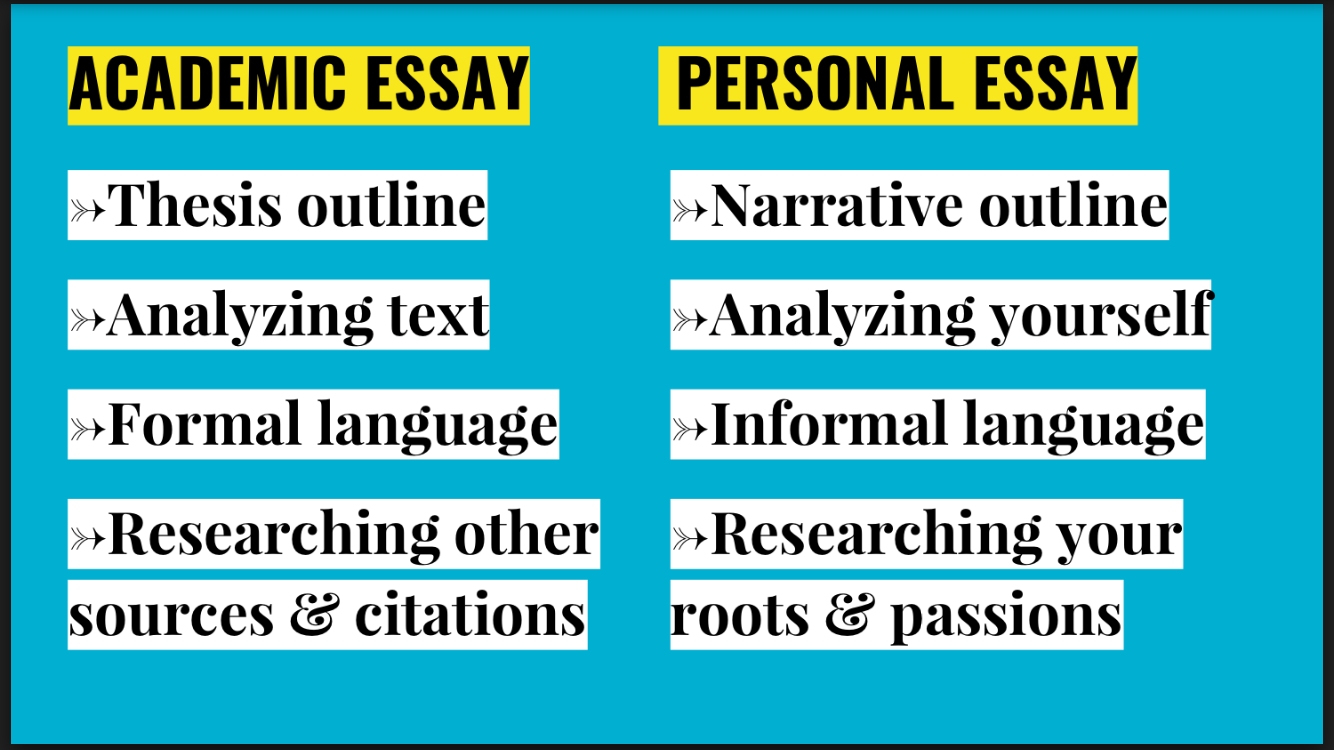
How to write a successful college admissions essay [Houston Chronicle]
7 steps to nailing a college admissions interview [Omaha World-Herald]
Rescaled SAT test scores are the highest numerically in 45 years, but cannot be compared with past results because new scores reflect different knowledge and skills. [Newsday]
As a result of the growing number of applicants UT-Austin receives each year, Texas students who graduate in the top 6 percent of their high school class will earn automatic admission to the top-ranked public university in 2019. Currently, the threshold is 7 percent. [Texas Tribune]
How social media influences college admissions [HuffPo]
A sizable share of college admission directors say they have intensified efforts to recruit in rural areas and find more white students from low-income families following Donald Trump’s unexpected victory in the 2016 presidential election, according to a survey from the online news outlet Inside Higher Ed. [WashPo]
‘Trans Women Are Women’: Single-gender schools like Spelman College revisit admissions policies [NBC News]
Overusing adverbs (basically, essentially, actually) means that your verbs are not strong enough on their own. Wordy phrases and fragments slow down your narrative. Pedantic words like “myriad” and “plethora” should only be used if you know what they mean - otherwise you come across as someone disingenuous who used athesaurus to sound smarter (something admissions officers can easily see through.)
Inspired by Karyn, here are a few more things I would add to your admissions essay checklist for before you submit: