




























4 Ways Colleges Manipulate Financial Aid in Admissions and How it Impacts Your Acceptance Chances
/This week, the New York Times goes deep to uncover the apparently seedy world of merit scholarships and financial aid otherwise known as “financial aid optimization” and it’s as ominous as it sounds. “The driving force behind college pricing is not some evil genius at Harvard or Penn. Instead, it’s a series of algorithms developed quietly over decades by consulting firms operating just out of sight.” Here’s what I learned and how it affects your admissions chances.
1) Colleges will compete for top students by offering merit scholarships
The main thing colleges have to worry about is retention: they need the same amount of student to matriculate every year, and retain those students for all four years. And every college is fighting for top talent: “Every other private institution — and most public ones — compete brutally on price up until the May 1 reply date each year (and sometimes afterward). The average tuition discount among private colleges is now over 56 percent for first-time, full-time students.”
How this affects you: Make sure you have enough match and safety schools on your list to see which will give you the best aid package.
2) Colleges track your every digital move on their site
First, every college gathers data about applicable students ranging from SAT/ACT scores to geographic location to see if they’re desirable. Then, they track your digital footprint probably as a way of determining “demonstrated interest.”
“If the targeted individuals show interest, then the consultants offer colleges tools to track teenagers’ digital interactions with clients in real time. […]
“It changes minute by minute,” he said. “It’s texts, visits, clicks, opens, number of seconds on a particular webpage using a particular URL, monitoring forms, of which there are many.”
How this affects you: If you are really into a school, make sure you spend a lot of quality time interacting with their website, including reading up on their majors, professors, research opportunities, etc.
3) Colleges will sometimes give you a better deal the closer you get to the commitment deadline
Shockingly, some colleges are even willing to negotiate on their merit aid: “But it is only an opening bid, and each year, more families realize that and delay coming to a decision until days before the deadline, when they ask for a better deal. Often, they get one.” (There’s more info on this in this older New York Times article).
How this affects you: Wait until the day before the commitment deadline to accept your offer in case you get a better one.
4) Colleges want out-of-state students because they pay higher tuitions
”One of the best ways for a public school to maximize revenue is to attract more students paying out-of-state tuition,” says the Times article. “For out-of-state students in one recent year, the school offered three times the discount off the list price per student compared with what South Carolina students received while still extracting double the net price from those out-of-state students.”
How this affects you: Add out-of-state schools to your list, especially if they’re more of a reach. You have a higher likelihood of getting in because every college seeks geographical diversity and you might even get a better merit aid deal.
Over the years, I’ve read and edited hundreds of college application essays. I’ve seen the good and bad (and very bad). Discover how to avoid the Common App essay's most common mistakes.
1) Using Bloated Thesaurus Speak
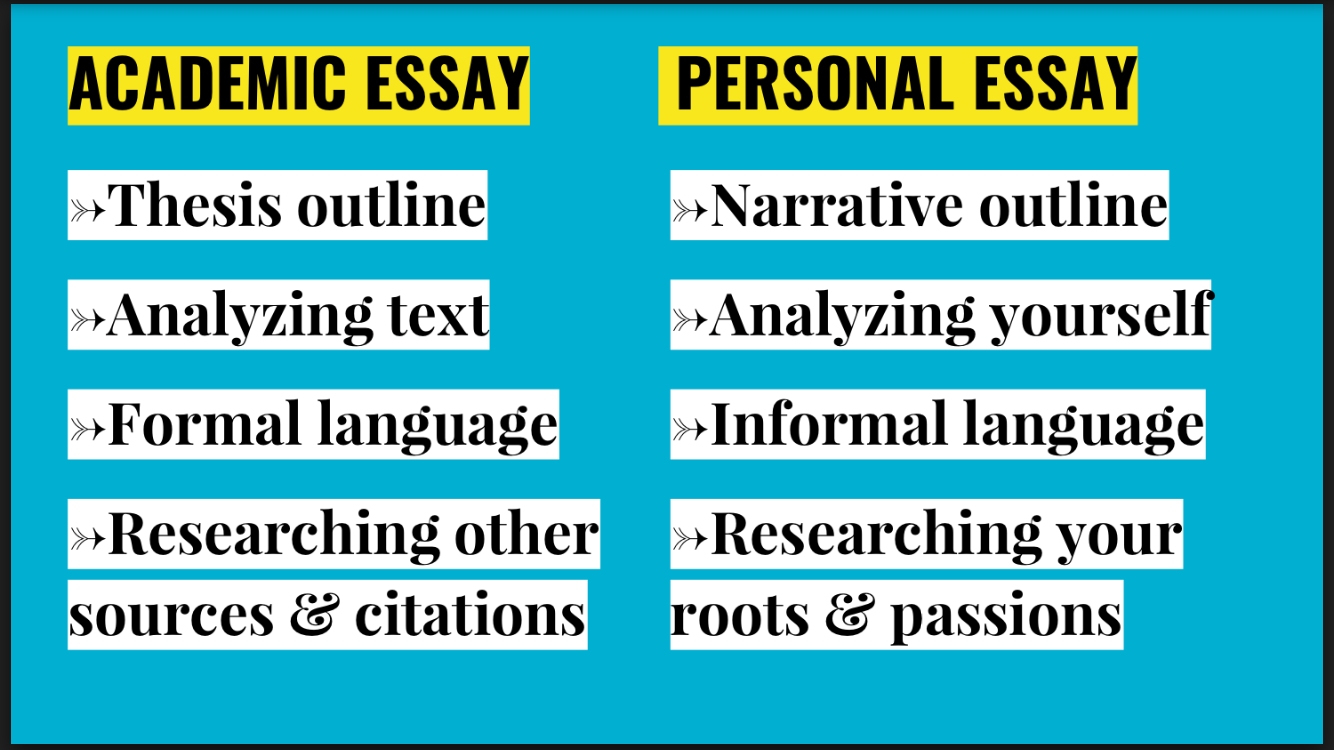
Most students think a higher vocabulary (read: thesaurus) will make their essay sound better. That instinct may work for your more formal academic essays, but it’s wrong in the case of the personal statement: the essay should sound how you speak, not a formal academic letter. "Thenceforward" and “heretofore,” for example, seem way too formal and almost sound funny in this personal context. Would you ever use those words in real life? Didn’t think so.