

























Testimonial Tuesday: Accepted to NYU, Baruch, Lehman & more!
/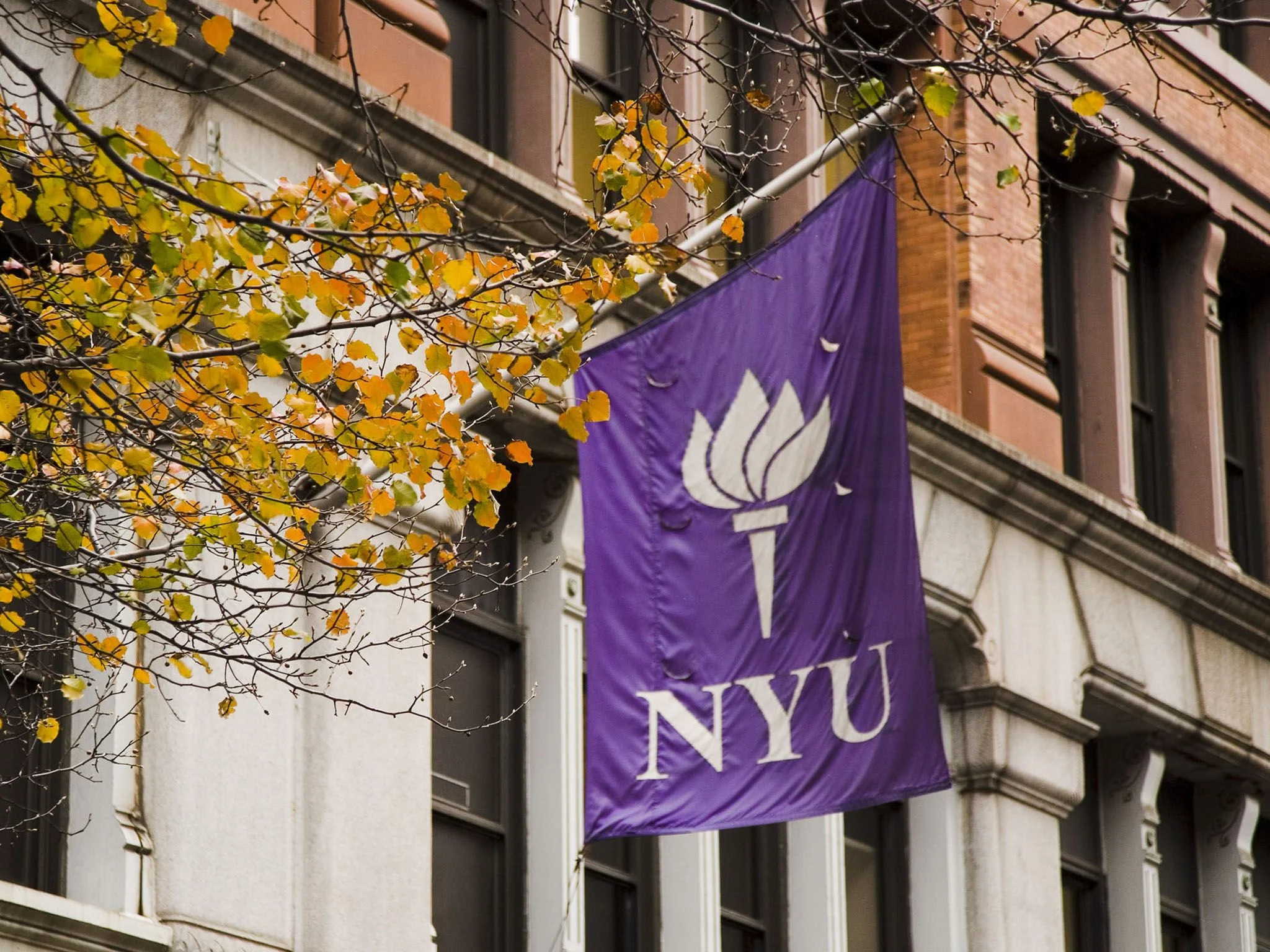
I will save you the Google: NYU's acceptance rate is 33%, Baruch's is 27.9% and Lehman's is 28.9%. Go Marie!!
I worked with Marie last winter pro bono in partnership with a public school in NYC and I knew right away she was a force to be reckoned with. Her first draft was impressive and it was clear she knew the power of a creative narrative. Her first line started "in media res" (in the middle of the action), which draws the reader in right away and continued with evocative descriptions that helped me feel like I was right there with her throughout her narrative. We worked on clarifying timelines and context, cutting cliches and repetitions, reordering paragraphs for a smooth, easy-to-read flow, and digging deeper to get to the emotional root of the story.
"I have had the honor of working with you and I'm so glad Miss Rosenberg connected us. You have helped me find my voice and story. Thank you so much for everything. I'm glad you have helped me come to the best product! Thank you for all that you've done for me."
—Marie, accepted to Macaulay Honors Program at Baruch, Lehman, Hunter, Stony Brook, Binghamton, Fordham, Villanova, City College of New York, and NYU!
Over the years, I’ve read and edited hundreds of college application essays. I’ve seen the good and bad (and very bad). Discover how to avoid the Common App essay's most common mistakes.
1) Using Bloated Thesaurus Speak
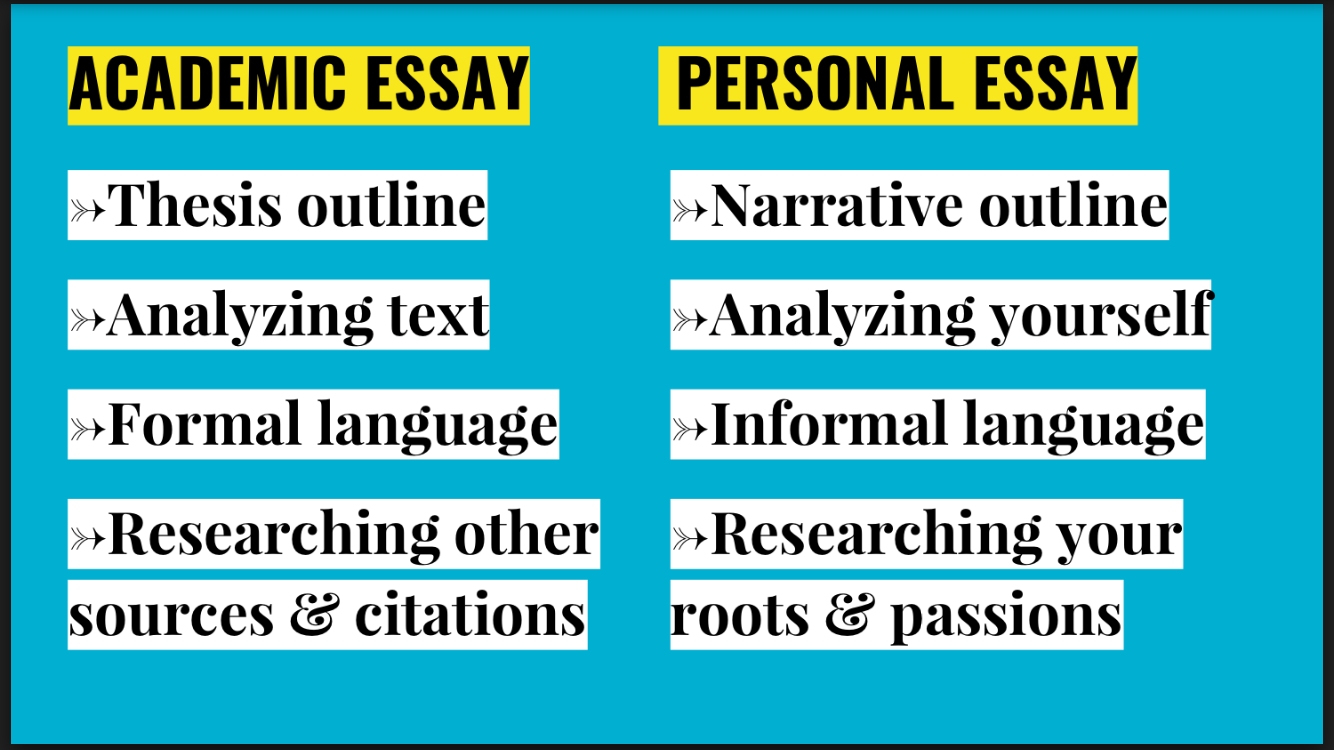
Most students think a higher vocabulary (read: thesaurus) will make their essay sound better. That instinct may work for your more formal academic essays, but it’s wrong in the case of the personal statement: the essay should sound how you speak, not a formal academic letter. "Thenceforward" and “heretofore,” for example, seem way too formal and almost sound funny in this personal context. Would you ever use those words in real life? Didn’t think so.