

























Feeling Stuck on Your Personal Essay? 7 Memoirs to Inspire You
/
This memoir is a beautiful account of surviving an extreme Mormon survivalist sect so against the “government” that she grew up without a birth certificate. Westover details being forced to do dangerous hard labor as a kid and being abused by an older brother whose mental health issues are ignored and denied. The story is ultimately inspiring: She went on to graduate from Cambridge with a history PhD.
Good for: Writing about a complicated family upbringing
Get inspired by: Great examples of deep self-reflection and answering the “why.” Westover has had years to process what happened to her (hopefully with therapy), so she is able to describe her past in a way that is deep but not accusatory. When writing about abuse, the tone is really important in showing how you overcame the adversity, and Westover’s descriptions are a good example of showing hurt without sounding bitter, which is a hard balance to strike when writing about something so personal.
Over the years, I’ve read and edited hundreds of college application essays. I’ve seen the good and bad (and very bad). Discover how to avoid the Common App essay's most common mistakes.
1) Using Bloated Thesaurus Speak
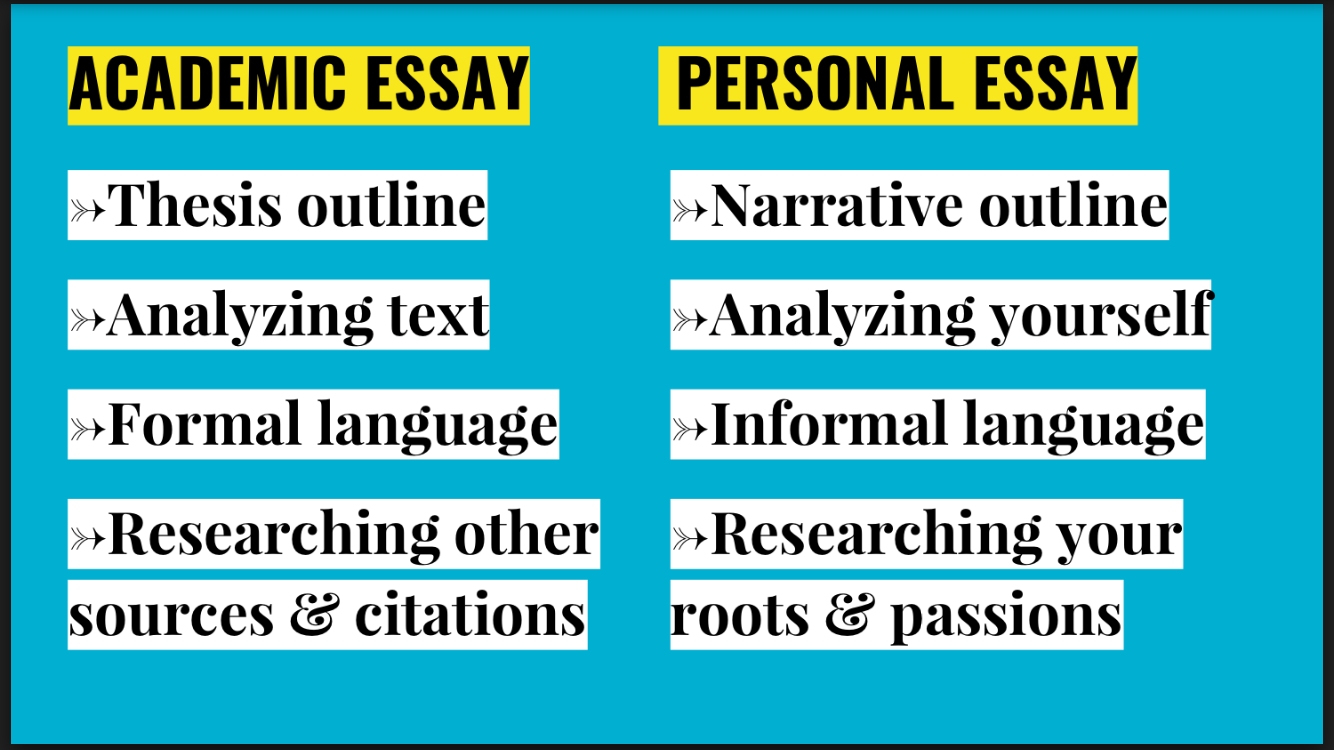
Most students think a higher vocabulary (read: thesaurus) will make their essay sound better. That instinct may work for your more formal academic essays, but it’s wrong in the case of the personal statement: the essay should sound how you speak, not a formal academic letter. "Thenceforward" and “heretofore,” for example, seem way too formal and almost sound funny in this personal context. Would you ever use those words in real life? Didn’t think so.