























How Your Acceptance Can Get Revoked (Bye, Harvard)
/The age-old debate about social media and how it affects college applications is finally over: yes, your social media presence can harm you. Particularly if you post racist, anti-Semitic and other offensive things in a public platform like Facebook. Especially if you just got into one of the most prestigious and competitive schools in the country.
Harvard College rescinded admissions offers to at least ten prospective members of the Class of 2021 after the students traded sexually explicit memes and messages that sometimes targeted minority groups in a private Facebook group chat.
This year, Harvard's acceptance rate was just 5.2%. That type of exclusivity does not come easy—and it makes sense that Harvard would protect its community from this kind of behavior. This goes back to the kindness factor: admissions officers are looking for good people, most of all.
Also, it doesn't reflect too well on one's street smarts to be so obvious (and oblivious) about your bigotry. Let this be a lesson that there's no such thing as a "private" group online. The fact that this happened as a spin-off of the official Harvard 2021 Facebook group is all the more shocking. Even the description of the official group was a clear warning:
“As a reminder, Harvard College reserves the right to withdraw an offer of admission under various conditions including if an admitted student engages in behavior that brings into question his or her honesty, maturity, or moral character.”
And this is not your standard teenage dirty joke.
In the group, students sent each other memes and other images mocking sexual assault, the Holocaust, and the deaths of children, according to screenshots of the chat obtained by The Crimson. Some of the messages joked that abusing children was sexually arousing, while others had punchlines directed at specific ethnic or racial groups. One called the hypothetical hanging of a Mexican child “piñata time.”
Over the years, I’ve read and edited hundreds of college application essays. I’ve seen the good and bad (and very bad). Discover how to avoid the Common App essay's most common mistakes.
1) Using Bloated Thesaurus Speak
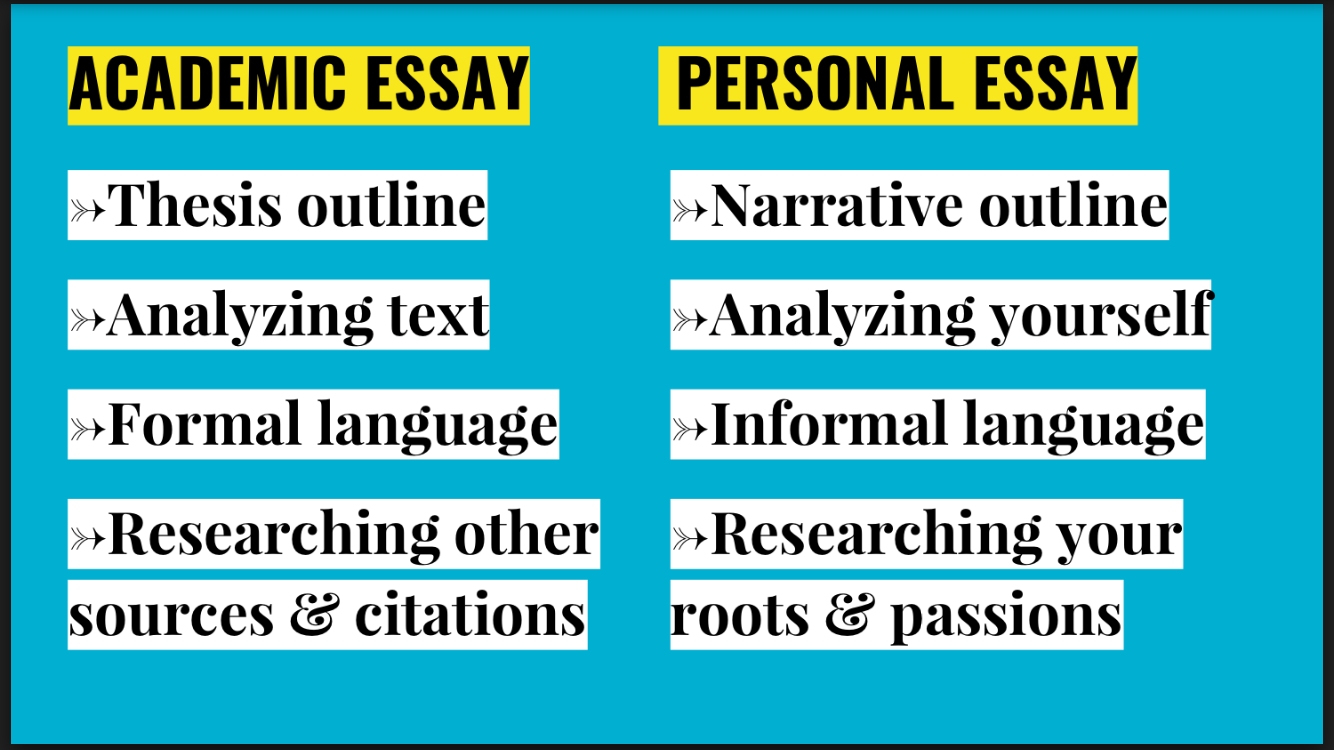
Most students think a higher vocabulary (read: thesaurus) will make their essay sound better. That instinct may work for your more formal academic essays, but it’s wrong in the case of the personal statement: the essay should sound how you speak, not a formal academic letter. "Thenceforward" and “heretofore,” for example, seem way too formal and almost sound funny in this personal context. Would you ever use those words in real life? Didn’t think so.